Want to create customized
Website
contact with us
Creating a customized website involves designing and implementing various features to meet your specific needs and goals.
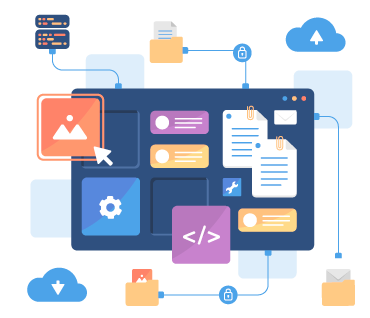



Responsive Design: Ensure your website looks and works well on various devices and screen sizes, including desktops, tablets, and mobile phones
User Registration and Login: Allow users to create accounts and log in to access personalized content, make purchases, or interact with your site
Content Management System (CMS): Implement a CMS like WordPress or build a custom one to easily update and manage website content, such as articles, images, and videos.
Include a search bar to help users quickly find specific content within your site.
Add social media buttons and sharing options to encourage user engagement and sharing of your content.
Allow users to get in touch with you through a contact form, including fields for name, email, subject, and message.
Publish regular updates, articles, or news related to your niche or industry.
Secure payment processing for transactions within the platform.
Incorporate images, videos, and audio to enhance the user experience and convey information effectively.
Create forms for various purposes, such as surveys, event registrations, or feedback collection.
SEO-friendly URLs and metadata for better search engine visibility.
Use tools like Google Analytics to monitor website traffic, user behavior, and performance.


Event Calendar: Display upcoming events, appointments, or important dates on your website.
Feedback and Ratings: Let users leave feedback and ratings for products, services, or content.
Integration with Third-Party Services: Connect your website with external services like payment gateways, social media APIs, or email marketing tools.